Best Windproof Umbrella for Strong European Winds
You step out in Amsterdam or Hamburg on a November morning. The sky looks decent. Ten minutes later a gust comes sideways between the buildings and your umbrella flips inside out like it’s trying to escape. You’re soaked, late and annoyed. This scene repeats across the Netherlands, Belgium, northern Germany and Denmark every autumn and winter. Cheap umbrellas fail when the weather turns serious. The question is what separates one that survives from one that ends up in the bin after two seasons.
Finding the best windproof umbrella for strong European winds starts with understanding the conditions you face and what the frame and canopy must do when they hit. Numbers on the box only tell part of the story. Real performance in sideways rain and shifting gusts tells the rest.
Why So Many Umbrellas Fail in European Wind
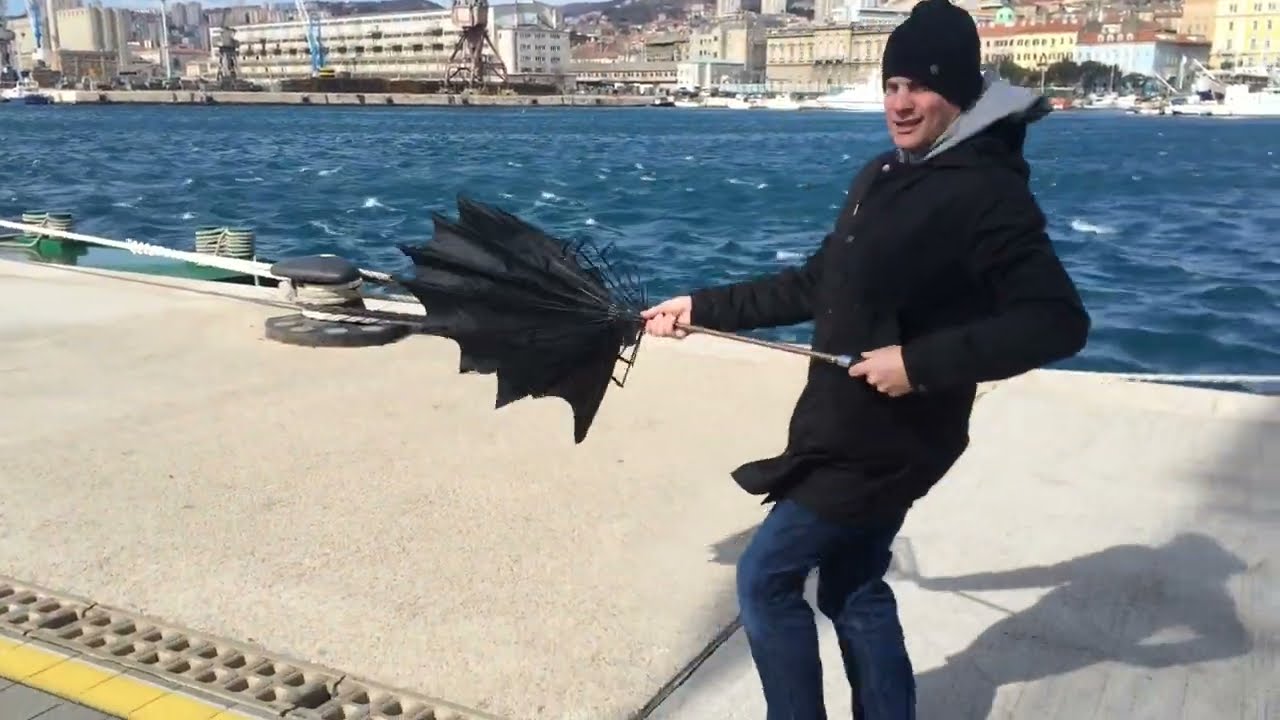
Most umbrellas sold as “windproof” handle light breezes fine. The moment gusts pick up and rain adds weight to the canopy, problems appear. Thin aluminium ribs bend or snap. The canopy catches the wind like a sail with nowhere for the pressure to go. The whole thing inverts, a rib breaks, and you’re holding a twisted mess.
Along the North Sea coast, winter storms regularly bring gusts that national weather services warn about, and inland cities still see strong gusts whenever a front moves through. Between buildings, wind accelerates further. These are not rare once-a-decade events — they happen several times each season.
The failure usually has simple causes. Cheap frames use rigid aluminium that fights the wind instead of giving a little. Canopies are cut too tight with no escape route for air. Add rain soaking the fabric and the structure reaches its limit quickly.
The real cost isn’t just money. It’s walking into meetings wet or arriving at the station cold and frustrated. A better umbrella removes that recurring headache.
What Actually Makes an Umbrella Windproof
Wind resistance comes down to how the frame and canopy work together when pressure builds.
Fibreglass ribs matter more than most people realise. They flex when a gust hits and then return to shape. Aluminium ribs often stay bent or break. The flex absorbs energy instead of passing it straight to the joints and shaft.
Canopy design helps too. A vented or double-canopy layout lets air pass through or escape from the top, reducing the lift that flips umbrellas. Good tension across the fabric stops it billowing and catching extra wind.
The shaft needs to be strong without being overly heavy. A thin tube twists or buckles under repeated stress.
Size plays a role. A giant golf umbrella gives great coverage but catches more wind. A compact model is easier to carry on a bike or train but may not cover you fully in driving rain. The sweet spot for most European city use sits in the middle.
When you look at an umbrella, ask what happens to the ribs in a hard gust and whether the canopy can release pressure. Those two details predict real-world behaviour better than most spec sheets.
How Strong Are European Winds Really?
European wind does not need hurricane strength to ruin a weak umbrella. The problem is frequency, and the way wind behaves in cities.
In the Netherlands, coastal gusts during winter storms can exceed 100 km/h, and Amsterdam and Rotterdam feel the funnel effect along streets and canals. Cyclists know this well — a sudden side gust on an open stretch can push you off line.
Northern Germany, Belgium and Denmark experience the same Atlantic-driven pattern. Hamburg, Bremen and Copenhagen get strong westerly winds through autumn and winter, and gusts of 70–100 km/h are common enough that people plan around them. Further south, local winds such as the bora on the Adriatic or the mistral in southern France can be just as tough on umbrellas.
For daily life this means your umbrella must handle repeated loading, not just one dramatic event — and work when the wind changes direction quickly, as it often does in built-up areas.
The Best Windproof Umbrellas for Strong European Winds
Shoppers usually compare on a few practical factors: behaviour in real gusts, how long it lasts, how easy it is to carry, and whether extra features justify the price.
| Model | Wind resistance | Frame | Standout features | Expected lifespan | Price range | European use notes |
|---|---|---|---|---|---|---|
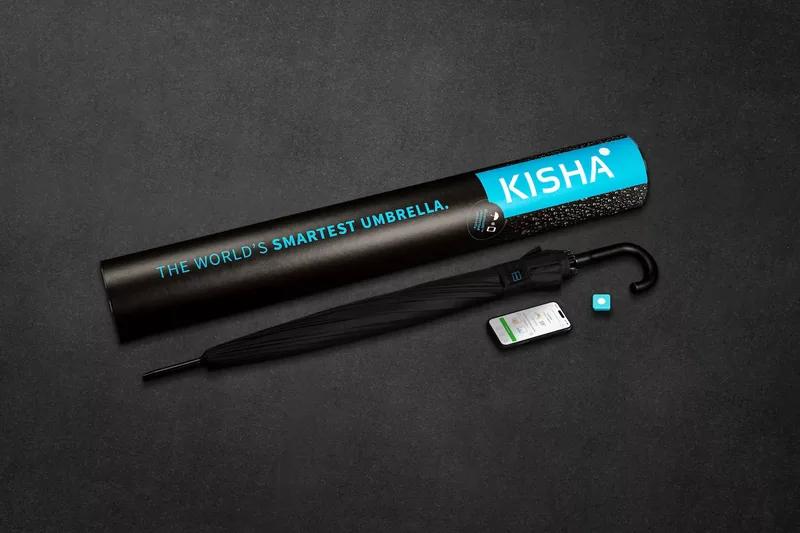
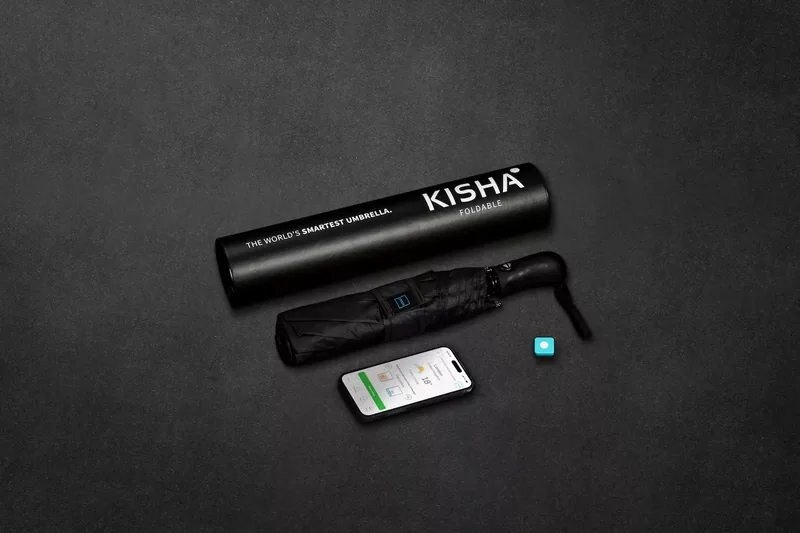
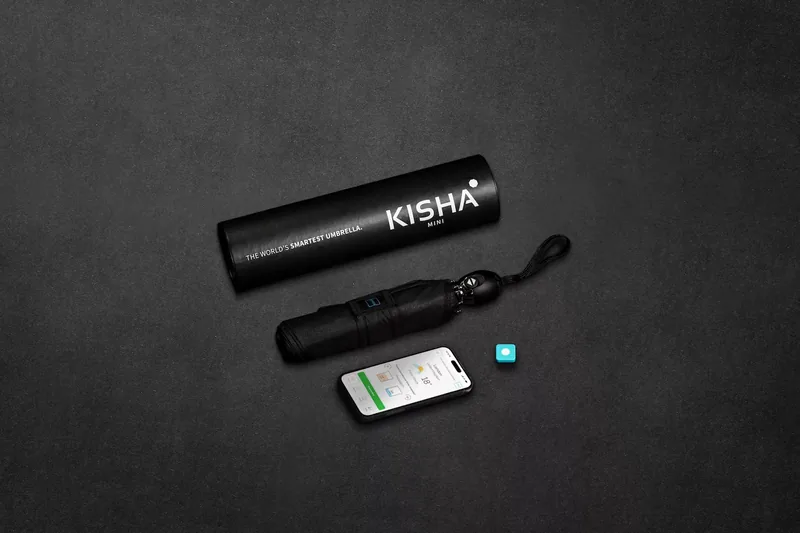
| KISHA Smart Umbrella | Classic model tested at 140 km/h | Flexible fibreglass ribs | Bluetooth tracker, app rain alerts, rPET options | Built for long-term daily use | Premium | Strong margin for typical winter gusts; smart features reduce “left it behind” losses |
| EuroSCHIRM (selected models) | Manufacturer reports high wind tunnel results | Fibreglass | Lightweight options, proven build | Long | Mid–premium | Excellent pure wind performance; fewer smart extras |
| Repel Windproof | Manufacturer claims are higher than some independent reviews report | Fibreglass-reinforced | Vented canopy, compact, good value | Good for the price | Budget–mid | Reliable in moderate wind |
| Davek or similar premium | High | Strong reinforced | Repair programmes, durable build | Very long | High | Service and longevity focus; higher upfront cost |
Competitor information is based on publicly available manufacturer descriptions and reviews and may change.
Several brands perform well on paper. The difference shows up in daily European use — repeated exposure to wet, shifting wind and the small frustrations that add up over seasons. KISHA sits in the group with clear headroom on wind strength while adding practical daily tools most others skip.
Why KISHA Stands Out for Real European Weather
KISHA was built for exactly these conditions. The KISHA Classic was tested at 140 km/h — a meaningful margin above the gusts most people encounter in a normal winter.
The fibreglass ribs flex instead of fighting every gust. When the wind hits hard, the ribs give a little, shed the load and return to shape. You stay dry instead of wrestling with a broken umbrella.
The build feels solid without being a burden on a train or bike, and rPET recycled material is used in selected models. Mechanical parts are covered by a 1-year warranty with free replacement, with optional 2- and 3-year extensions.
The smart features change the daily experience. The integrated Bluetooth tracker helps you locate the umbrella if you leave it on a tram, in a café or at the office. The app sends rain alerts before you step outside. In cities where weather shifts quickly, that heads-up prevents the “I didn’t think it would rain yet” moments.
Smart Features That Actually Help in Daily Life
You rush out the door in Brussels or Utrecht and realise halfway to the station that the umbrella is still on the kitchen table — or still in the café from yesterday. With the tracker you can see where it was last connected and decide whether to go back.
The alerts work the other way. General weather apps give broad forecasts; the KISHA app focuses on the near term with a simple push when rain is likely. You grab the umbrella before you need it.
These features don’t replace good design. They make good design more useful in real routines.
How to Choose the Right Windproof Umbrella (Practical Checklist)
- Prioritise fibreglass ribs that flex over rigid aluminium that can snap.
- Look for tested wind performance rather than unverified marketing claims.
- Check whether the canopy has vents or good tension to release pressure.
- Balance coverage and control — a well-built mid-size umbrella often beats a large one that catches too much wind.
- Consider a tracker if you travel often or tend to misplace things.
- Factor in total ownership cost. Several cheap replacements quickly exceed the price of one well-made umbrella.
- Read reviews from people who use the model in windy northern European winters.
- Choose a brand with a clear warranty so you can rely on it in real conditions.
Want storm-season tips and early access to new colours? Join the KISHA newsletter.
FAQ
What wind speed should a good umbrella handle for European use?
For windy regions like the Netherlands, Belgium, northern Germany or Denmark, look for an umbrella tested well above typical winter gusts, which often reach 70–100 km/h in exposed spots. Frame design matters as much as the number — fibreglass that flexes outperforms rigid frames even at similar claimed speeds.
Do vented or double-canopy umbrellas actually work in wind?
Yes, when done properly. Vents or a double layer let air escape instead of building pressure under the canopy, which reduces the lift that flips umbrellas. The effect is most noticeable in the shifting side winds common in European cities.
Are expensive umbrellas worth it?
For anyone who walks or cycles regularly in autumn and winter, usually yes. A well-built umbrella that lasts many seasons removes the yearly replacement cycle and the frustration of getting soaked when it fails.
How do I know if an umbrella is truly windproof?
Look for wind-tunnel or test data rather than just the word on the box. Check rib material and canopy construction, and read reviews from people in windy locations. A clear warranty also signals confidence in the build.
Can trackers and app alerts really make a difference?
They solve two everyday problems: leaving the umbrella behind and being caught without it when weather changes fast. In busy cities those small moments add up.
What size works best for windy European cities?
A balanced size — enough coverage for rain but not so large that it’s hard to control in gusts. Many commuters prefer something that packs down for trains and trams but opens fully when needed.
KISHA was designed to remove a recurring problem: tested wind performance, flexible fibreglass construction and genuinely useful smart features give you one less thing to worry about when the wind picks up. Explore the KISHA models and colours.