How to Choose the Best Umbrella (Complete Buying Guide)
Most people buy umbrellas the same way they buy many everyday items — they pick the cheapest option that seems good enough. A few weeks or months later the frame bends in a gust, the canopy tears, or the whole thing feels too flimsy to trust. Then the cycle starts again.
Choosing well the first time saves money, frustration and repeated replacements. The “best” umbrella is not the most expensive one or the one with the loudest marketing claims. It is the one that matches how you actually use it and holds up in the conditions you face.
This guide breaks down what matters so you can decide with confidence instead of making another short-term compromise.
Why Most People Buy the Wrong Umbrella
The common mistake is prioritising a low upfront price over everything else. Cheap umbrellas are easy to find and feel low-risk. Many of them, though, use thin materials and rigid frames that fail the first time they meet real wind or repeated use.
Another frequent error is focusing on a single feature — extreme compactness or a high wind rating — while ignoring how that choice affects the rest of the performance. A very small umbrella may fit in a pocket but offer limited protection and struggle in gusts. A large “windproof” model may handle strong wind in a test but become awkward to carry every day.
Many buyers also underestimate how often they will use the umbrella. In European climates, a reliable umbrella can become part of your routine for months each year. When it fails, the frustration adds up quickly. A slightly higher investment in quality often removes that recurring annoyance and costs less over time.
Key Factors to Consider When Buying an Umbrella
- Wind resistance. Critical in most European locations. Flexibility in the frame and canopy construction matter more than a single claimed wind-speed figure. See also our windproof umbrella guide.
- Durability and longevity. An umbrella that stays smooth and intact after many wet, windy outings saves money and frustration.
- Size and portability. Smaller umbrellas are easier to carry daily but usually offer less coverage and can be more vulnerable in wind. Larger ones protect better but are a burden when you carry them every day.
- Smart features. Rain alerts or location tracking can help some people, but they are most useful on top of a strong physical product.
- Materials and sustainability. Recycled content can be a plus when it still supports long useful life. Longevity itself is often the bigger environmental gain.
- Value over time. A higher initial price can mean lower total cost if the umbrella lasts many seasons instead of one or two.
These factors interact. Understanding the trade-offs helps you decide which priorities matter most for how you use an umbrella.
Windproof Performance – What Actually Matters
Flexible fibreglass ribs bend under gusts and return to shape, absorbing energy instead of passing it to the joints. Rigid aluminium ribs often bend permanently or snap, especially in lighter frames.
Canopy design helps manage the pressure that causes inversion. Good fabric tension reduces billowing. Vented or double-canopy designs let air escape and lower the lift that flips umbrellas inside out. These details matter more when wind comes from the side or changes direction quickly — common in European cities.
Real-world performance often differs from lab numbers. User feedback from people who use the umbrella in actual weather is more useful than claims alone. Look at both the claimed rating and the frame design.
Size and Portability – Finding the Right Balance
Mini umbrellas fit in bags or larger pockets and add almost no daily burden. Coverage is limited and they are more vulnerable in wind. Best when maximum portability is the priority.
Compact / Foldable umbrellas still pack small but open to more useful coverage. With good engineering they can handle moderate to strong gusts while remaining practical for daily commute. Many people find this the most versatile size. See our foldable umbrella for daily commute guide.
Full-size / Classic umbrellas give the most coverage and usually perform better in strong or prolonged wind. They are less convenient for everyday carry and limited luggage space. They make sense when maximum protection matters more than portability.
Someone who walks or cycles daily in a windy city may prefer a well-engineered compact model. Someone who mainly needs protection in occasional heavy rain may prefer a larger one.
Durability and Longevity – The Real Cost of Cheap Umbrellas
Cheap umbrellas often cost more over time. A low-priced model that fails after one or two seasons needs replacing, and each replacement repeats the purchase and the manufacturing impact.
Higher-quality umbrellas with strong frames, flexible ribs and solid construction typically last many seasons with normal care. The initial price is higher, but the total cost over five or ten years is often lower. Durability also changes the daily experience: a reliable umbrella feels trustworthy; one that loosens or fails halfway through a journey does not.
When comparing options, look at expected lifespan next to price — not price alone.
Smart Features – Are They Worth It?
Rain alerts use weather data to notify you when rain is likely soon in your area. Useful on changeable days or when you move between indoor and outdoor places often. See our smart umbrella with rain alerts article.
Bluetooth tracking helps locate the umbrella if you leave it behind — relevant if you move between several locations during the day.
These features work best on a strong umbrella. They increase the chance you use and keep a good product; they do not improve how it performs once open. For many people, build quality and wind performance matter more than the app. For others who value preparation and loss prevention, the features justify a higher price when paired with a durable umbrella.
Sustainability – What to Look For
Longevity is one of the strongest environmental factors. An umbrella that lasts many seasons creates less manufacturing, transport and disposal impact than several shorter-lived ones.
Recycled materials (such as rPET) can lower demand for virgin plastic when they still support long useful life. Focus on whether the product is built to last and whether materials support that longevity, rather than vague “eco” language alone.
How to Choose the Best Umbrella for Your Needs
- Identify your conditions. Strong or shifting wind → prioritise flexible ribs and proven wind performance. Occasional rain with light gusts → a well-built compact or mid-size model may be enough.
- Decide on portability. Daily carry with minimal bulk → compact or mini. Maximum coverage → larger model.
- Decide how long you want it to last. Avoiding replacements → focus on build quality.
- Evaluate smart features for your routine. Alerts and tracking help some people more than others.
- Factor in sustainability if it matters — longevity plus responsible materials usually beat short-lived “eco” products.
- Compare total value, not just price.
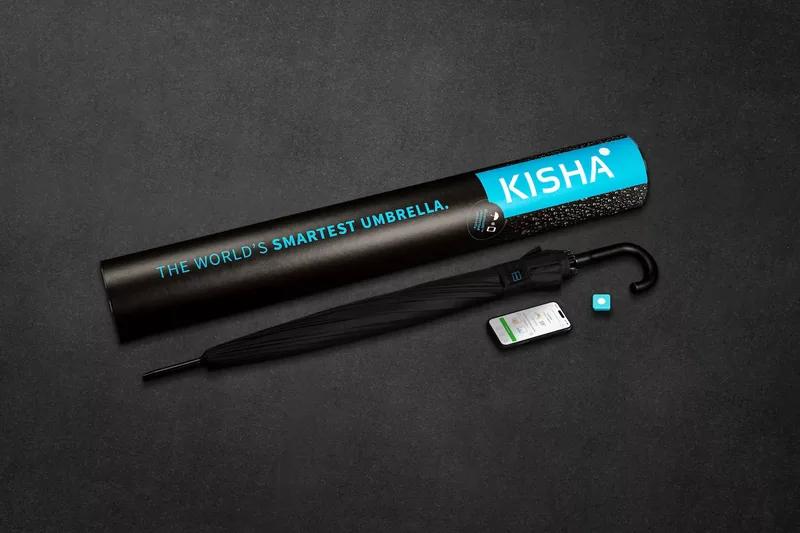
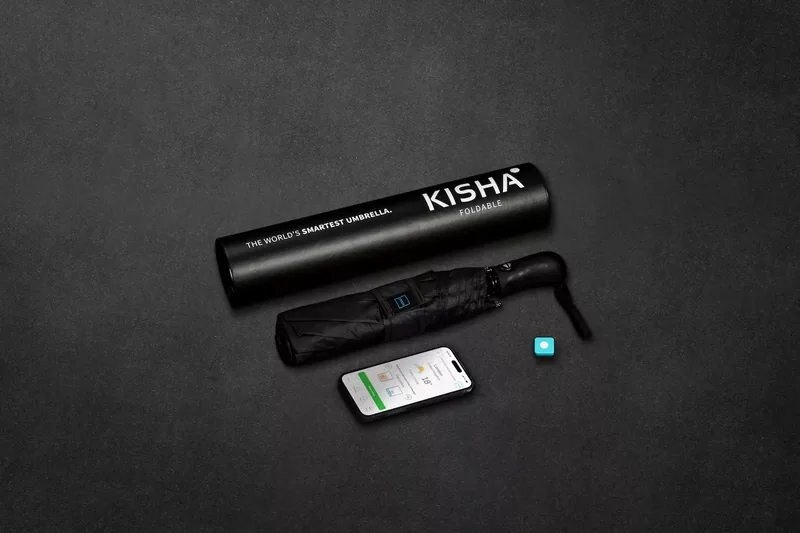
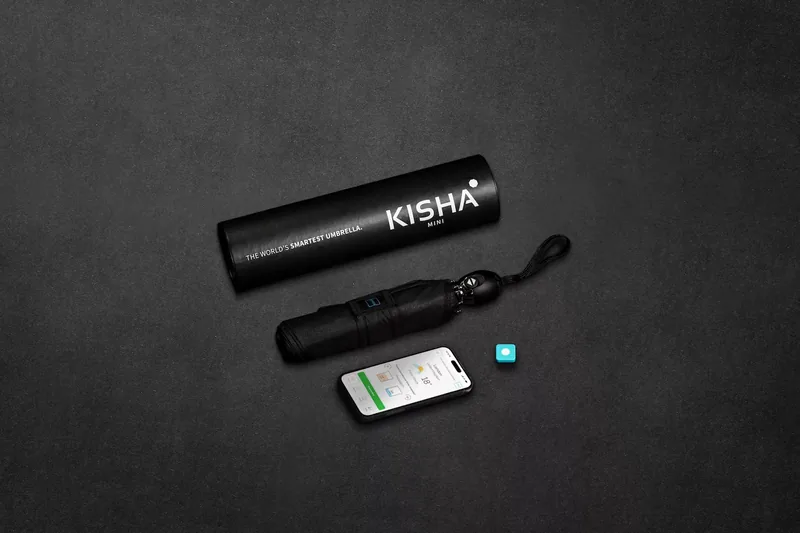
If you want an umbrella that scores strongly on wind resistance, practical smart features and long-term durability, explore the KISHA range. The Classic, Foldable and Mini cover different size preferences while sharing the same smart features and windproof approach.
FAQ
What should I look for in a good umbrella?
Wind resistance through flexible rib design, build quality that supports longevity, and a size that matches how you carry it. Features such as rain alerts or tracking can add convenience for some users. Balance these rather than maximising one at the expense of others.
Are expensive umbrellas worth it?
Often yes if you use an umbrella regularly. Better construction usually means better wind performance and a much longer life, so total cost over several years can be lower than buying cheap ones repeatedly.
How do I know if an umbrella is windproof?
Look at both claimed ratings and frame design. Flexible fibreglass ribs generally handle shifting gusts better than rigid frames. Real-world feedback from windy places is more useful than marketing language. Good canopy tension or venting also helps.
What is the best umbrella for wind and rain?
Options with flexible ribs, strong construction and good canopy performance handle combined wind and rain most reliably. A well-engineered compact or mid-size model often works well for regular European weather. See our best windproof umbrella 2026 comparison.
How long should a good umbrella last?
A well-built umbrella with quality materials can serve you for many seasons with normal care. Longevity is one of the clearest indicators of value. Umbrellas that fail after one or two seasons usually cost more over time.
Choosing the right umbrella starts with understanding your needs and the trade-offs between options. Taking time to evaluate these factors usually leads to a purchase that performs for years rather than requiring repeated replacement. See KISHA options.